
Object Record
Images
Metadata
Object Name |
Adobe |
Source |
African American Museum of Iowa |
Iowa History Era Tag |
Statehood and the Civil War Era (1847-1868) |
Chronological Tag |
Civil War and Reconstruction (1850-1877) |
Catalog Number |
2018.012.002 |
Credit line |
African American Museum of Iowa - Cedar Rapids, Iowa |
Description |
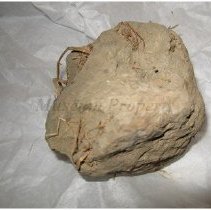
This piece of adobe was part of the original foundation of the John Todd House located in Tabor, Iowa. The house was an important stop on the Underground Railroad. Runaway slaves hid in a closet on the second floor at the top of the stairs. The door disappeared into the wall when shut. A porthole window gave anyone hiding in the closet a lookout. Content can be used with the following standards: 5th grade SS 5.26 Civil Rights and SS-U.S. 9-12.23 Iowans Influence U.S. History in a lesson on the Underground Railroad. For any use other than instructional resources, please check with the organization that owns this item regarding copyright restrictions. |
Additional Research & Sources |
Reverend John Todd and George B. Gaston established Tabor, in southwest Iowa, in 1852, creating a colony based on the principles of Oberlin Collegiate Institute, a leading center of antislavery activism. The entire town of Tabor was an active station on the Underground Railroad. The community was fully committed to abolitionist principles and actively aided slaves traveling through Tabor. Slaves did not need to be hidden there unless there was outside danger from slave catchers. Due to the location of Tabor, just over the Kansas border, Tabor also became a "base" for abolitionist John Brown and his men in their fight for a Free Kansas. Brown believed that militant action was necessary to drive out pro-slavery activism in Kansas and create a free state. Brown and his men often traveled into Tabor for aid and supplies. Built in 1853, the John Todd House was a prominent station on the Underground Railroad. The adobe is from the home's original foundation. Slaves hid in a closet on the second floor at the top of the stairs. The door disappeared into the wall when shut, a doorknob only on the inside of the closet. A porthole window gave anyone hiding a lookout. The Todd House is located at the town's center facing the public square which was a communal spot for the spread of the antislavery message. To this day, The Todd House still stands serving as a museum in the community. |
Notes on Related Objects |
Object is related to the following library resources, which can be found by searching the catalog number in the advanced search section: Catalog #: 2018.045.027- The Sacred Cause of Union: Iowa in the Civil War 2018.045.041- Profiles of Valor: Iowa's Medal of Honor Recipients of the Civil War 2018.045.046- Enlistments from Iowa during the Civil War 2018.045.052- Iowa: Its History and Its Foremost Citizens 2018.045.063- Iowa in Times of War 2018.045.072- The Story of Iowa: A Children's History 2018.045.073- Border Defense in Iowa During the Civil War 2018.045.075- One Hundred Topics in Iowa History 2018.045.083- A History of the People of Iowa 2018.045.087- Iowa Through the Years 2018.045.143- Iowa Inside Out 2018.045.218- History of Fremont County |
Primary/Secondary Source |
Significant - State/National |
County Tag |
Fremont |
Multimedia Links |
Click here to view/hear the file. |
Search Terms |
African American Experience Civil War People Rail Underground railroad system |
Legal Status |
Ownership of this resource is held by the African American Museum of Iowa and has been provided here for educational purposes only, specifically for use in the Iowa Museum Association's "Teaching Iowa History" project. It may not be downloaded, reproduced or distributed in any format without written permission from the Rights Holder. For information on U.S. and International copyright laws, consult an attorney. |
