Object Record
Images

Metadata
Object Name |
Wigwam |
Source |
Grundy County Heritage Museum |
Iowa History Era Tag |
Territorial Iowa (1803-1846) |
Chronological Tag |
Expansion and Reform (1801-1861) |
Catalog Number |
2018.071.015 |
Credit line |
Grundy County Heritage Museum |
Description |
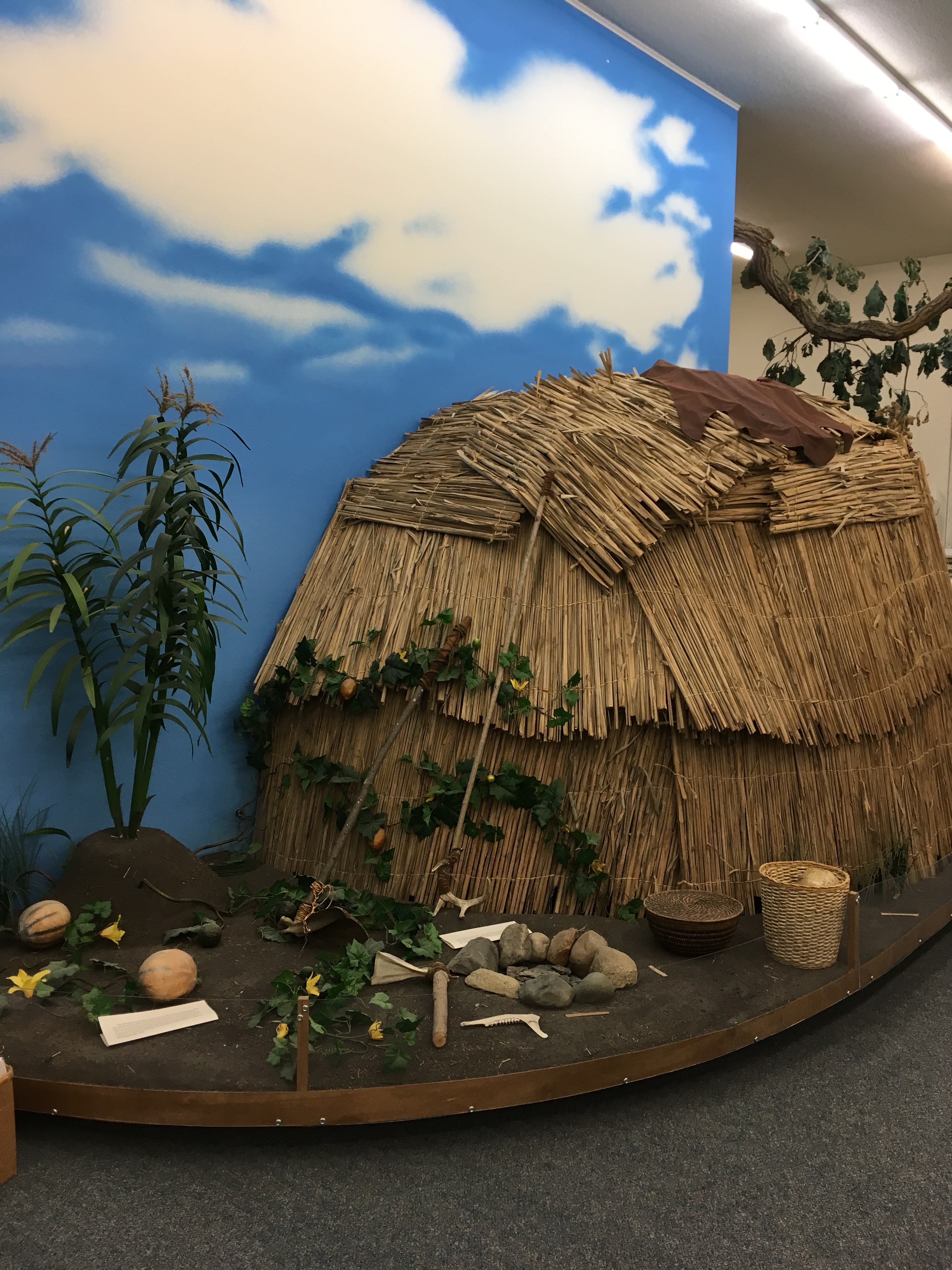
A wigwam or wickiup was used for shelter by the Native Americans in the Great Plain territories. Its tent like structure comprises of tall saplings rooted to the ground and tied at the top to form a dome like shape. After the structure is secure, Native Americans would cover the dome structure with heavy animal skins or blankets to insulate the wigwam. The wigwam's easy setup and tear down helped moving from place to place acceptable. The name "wigwam" and "wickiup" both mean "dwelling" and believed to come from the Fox and Abenaki languages. The term "wickiup" is a modern term to refer to the Native American dwellings. For any use other than instructional resources, please check with the organization that owns this item regarding copyright restrictions. |
Additional Research & Sources |
This object connects with the following standards: Standard SS.1.23 Cultural Makeup: A lesson on the various Native American tribes in Iowa and their culture could be created. Standard SS.3.27 Immigration and Migration: A lesson could be created on how wigwams, which could be broken down and moved easily, helped ease Native American migration from place to place. |
Primary/Secondary Source |
Reproduction |
County Tag |
Grundy |
Multimedia Links |
Click here to view/hear the file. |
Search Terms |
Ancient Iowans Native Americans Native American Wickiups |
Legal Status |
Ownership of this resource is held by the Grundy County Heritage Museum and has been provided here for educational purposes only, specifically for use in the Iowa Museum Association's "Teaching Iowa History" project. It may not be downloaded, reproduced or distributed in any format without written permission from the Rights Holder. For information on U.S. and International copyright laws, consult an attorney. |