
Object Record
Images
Metadata
Object Name |
Holder |
Source |
Heartland Museum Foundation |
Iowa History Era Tag |
Prosperity to the Depression (1897-1939) |
Chronological Tag |
The Emergence of Modern America (1890-1930) |
Catalog Number |
2018.054.022 |
Credit line |
Heartland Museum Foundation- Clarion, Iowa |
Description |
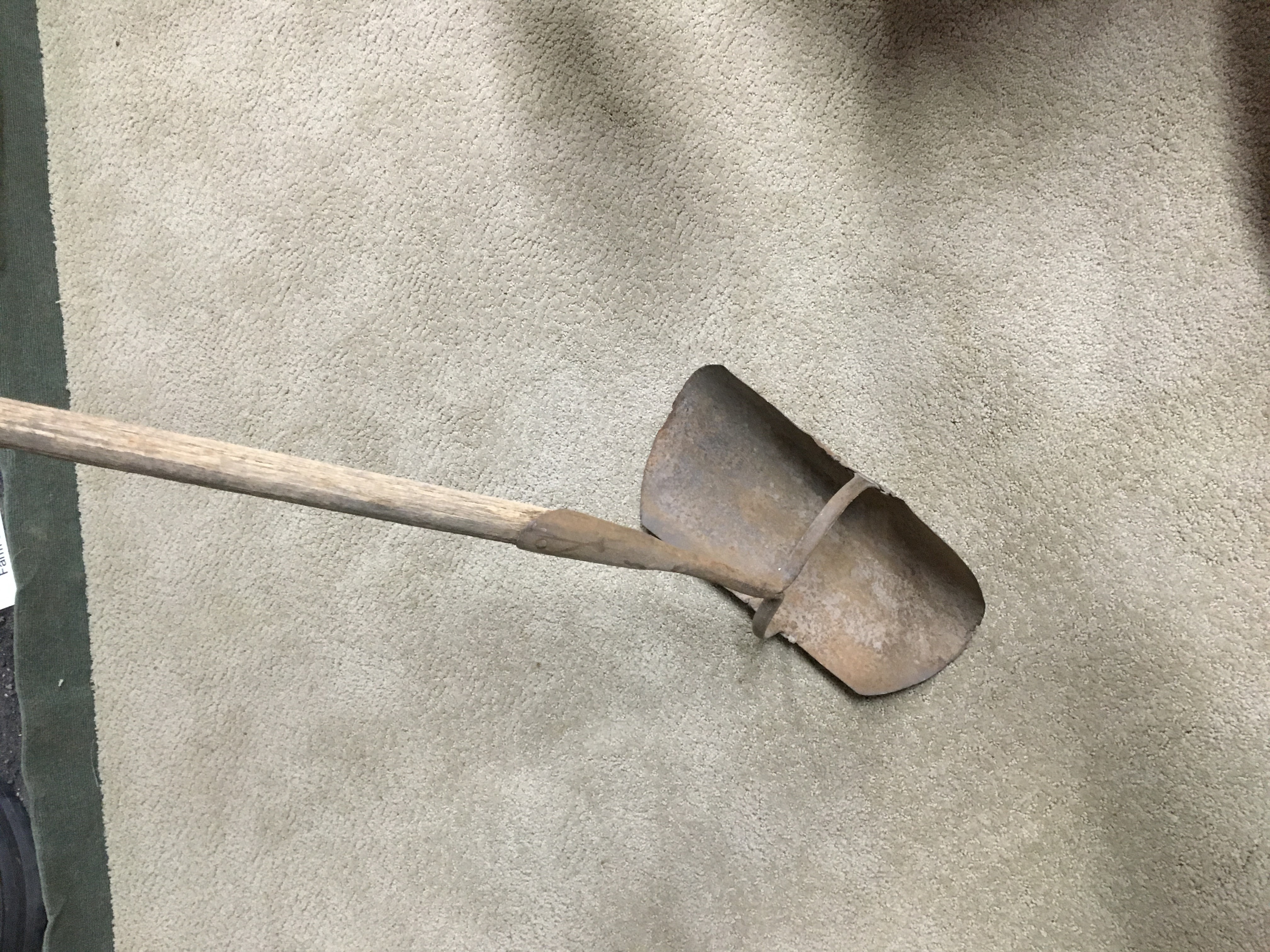
Almost all farms in Wright County had low wet spots that could not be used for farming until they were drained. Only the tops of the hills could be farmed. Farmers dug tile ditches by hand or hired others to dig the ditches. It was a good first job for immigrants before they had language skills to earn money to pay for their passage. Farmers at first just started at a low spot and dug a ditch from pond to pond. Later the county engineer would lay out the line. Draining ponds increased the land available for farming and the rich soil was discovered. Content can be used with the following standards: 4th grade SS 4.26 Changes to Agriculture in a lesson on farming methods used in the early 1900s. For any use other than instructional resources, please check with the organization that owns this item regarding copyright restrictions. |
Additional Research & Sources |
Drainage of excess water is determined by the topography of the land and the natural slopes of the ground. In some areas, drainage is present but in others, no drainage means excess water floods farming fields and destroys crops. |
Primary/Secondary Source |
General primary source |
County Tag |
Wright |
Relation |
Show Related Records... |
Multimedia Links |
Click here to view/hear the file. Click here to view/hear the file. |
Search Terms |
Farmers/Farm Life Environments Rural Life Services Farming Farmers Irrigation Croplands |
Legal Status |
Ownership of this resource is held by the Heartland Museum Foundation and has been provided here for educational purposes only, specifically for use in the Iowa Museum Association's "Teaching Iowa History" project. It may not be downloaded, reproduced or distributed in any format without written permission from the Rights Holder. For information on U.S. and International copyright laws, consult an attorney. |
.jpg)